The Thirtieth Reading of The Gruffalo: Why Repetition Isn't a Glitch
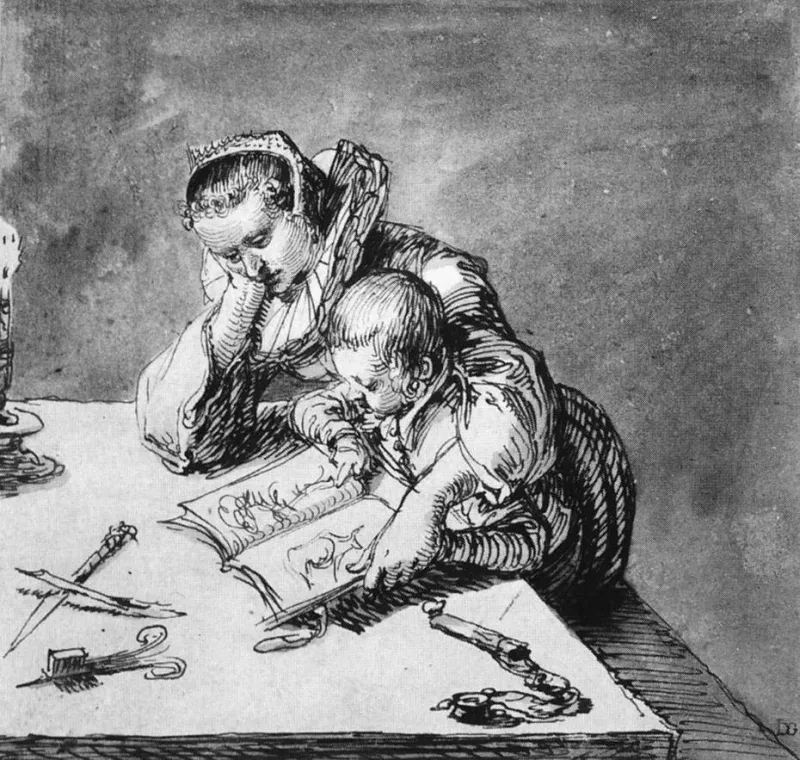
Photo: Jacob de Gheyn II, Public domain, via Wikimedia Commons
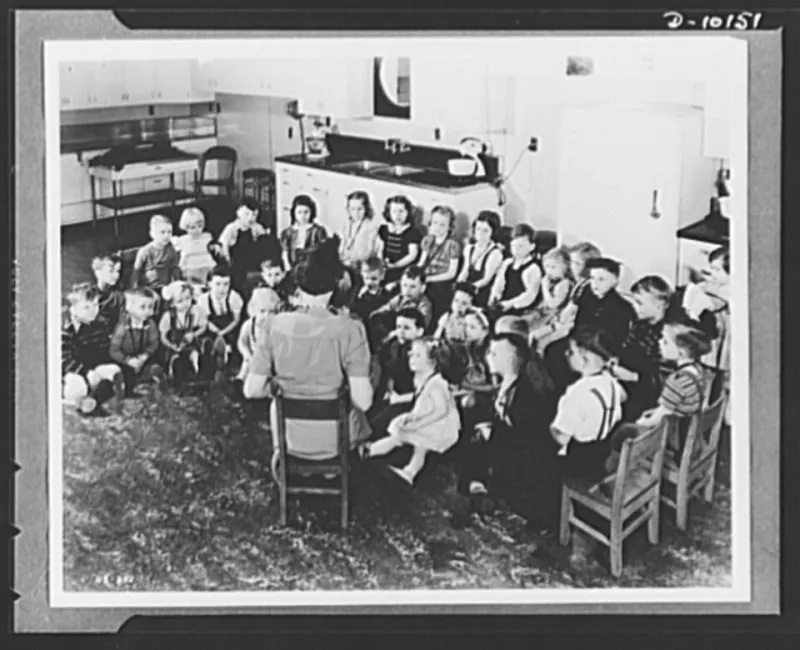
At Dryden Street Nursery, we have a tidy-up song. It is not a chart-topper. It has three lines, a lot of clapping and a slightly questionable rhyme. We have sung it roughly four hundred times this term. The children still ask for it. In fact, they sing it at home, in the car, and — according to one parent — in the queue at the pharmacy.
If you have ever read The Gruffalo thirty nights in a row, you will know the feeling. The same book. The same song. The same silly voice. It can feel like a glitch in the system. It isn't. Repetition is one of the most powerful things a young child can do.
The Loop You Know by Heart
Young children are not trying to bore you. They are trying to master something. When a child asks for the same story again, they are not just hearing it — they are predicting it. They know the page where the mouse meets the fox. They know the line that makes you do the voice. They are testing the world and finding that it holds.
At nursery, we lean into this. We sing the same hello song, the same tidy-up song, the same goodbye song. The repetition gives the day a shape. Children who cannot yet read a clock can still tell you what comes next. That predictability is comforting, especially for children who are new to the setting or who find transitions tricky.
What's Happening in That Little Brain
Repetition builds language. Every time a child hears the same word in the same context, the neural pathway gets a little stronger. They are not just learning the word; they are learning how it fits into a sentence, a rhythm, a story. The Early Years Foundation Stage talks about communication and language as a prime area of learning, and repetition is one of the simplest ways to support it.
It also supports memory. Each retelling is a tiny retrieval practice. Your child is pulling up the story from memory, checking it against what they hear, and filing it away again. That is why they can 'read' their favourite book to you before they can actually read. They are not reciting by magic; they are remembering a pattern.
And then there is comfort. A familiar story is a safe place. The same silly voice means the same grown-up, the same cuddle, the same feeling of being held. Repetition is not just about learning; it is about attachment. That is why children often ask for the same book when they are tired, ill or unsettled.
Why They Want the Same Book (And It's Not About Boring You)
A child who knows a story inside out gets to be the expert. They can finish your sentence. They can tell you that you missed a page. That sense of control is powerful for a small person in a big world. It also builds confidence. The child who can 'read' to you is practising the identity of a reader long before they decode a single word.
There is also a social side. Sharing a familiar book is a shared joke. You both know the bit where the bear sneezes. You both wait for it. That shared anticipation is a little moment of connection, and it is worth every repeated reading.
The Grown-Up Survival Guide: Repeat With a Twist
You do not have to read the same book in the same way forever. Tiny variations keep it interesting for you and build flexibility for your child. Try one of these:
- Change one word. Swap a character's name for your child's, or for the dog's. See if they notice.
- Pause before the best bit and let them fill it in. 'And the bear went...' Wait. Let them shout it.
- Do the silly voice differently. A whisper. A squeak. A very serious newsreader voice. The story is the same; the performance is new.
- Ask a question that isn't a test. 'What would you do if you saw that fox?' rather than 'What colour is the fox?'
- Use props. A spoon becomes a wand. A cushion becomes the deep dark wood. You do not need a craft cupboard.
- Let them 'read' to you. Hold the book the wrong way up if they want. The point is the story, not the performance.
- Sing the same song at different speeds. Slow and sleepy, then fast and silly. Same words, different game.
At Dryden Street Nursery, we also rotate books and songs, but we never hide a favourite. If a child is hooked on one story, that story stays available. We might add a similar book alongside it, or a song with the same rhythm. We are not trying to break the loop; we are trying to widen it.
Songs That Stick (Even When You'd Rather They Didn't)
Nursery rhymes are brilliant for repetition because they come with actions, rhythm and rhyme. They also come with a built-in off switch: you can stop. A song that lasts thirty seconds is easier to repeat than a twelve-page picture book. If you are on your hundredth rendition of 'The Wheels on the Bus', you are not failing. You are doing exactly what early years practitioners do all day.
The same goes for the silly voice. It feels ridiculous. It is also doing something useful. Prosody — the rhythm and melody of speech — helps children tune into language. The more exaggerated and repetitive it is, the easier it is for a young child to hear the sounds inside words. So do the voice. You can always apologise to your neighbours later.
When Repetition Is More Than a Phase
Repetition is typical. It is expected. It is, frankly, the job. But if you notice a child losing skills they once had, or if repetitive behaviour is paired with other concerns about communication or development, it is always worth a chat with your health visitor or the nursery team. You are not being dramatic. You are being a parent.
In the meantime, enjoy the thirtieth reading. You are not stuck in a loop. You are building a brain, one silly voice at a time.