Bye, Then Back for You: A Calmer Two-Minute Nursery Handover
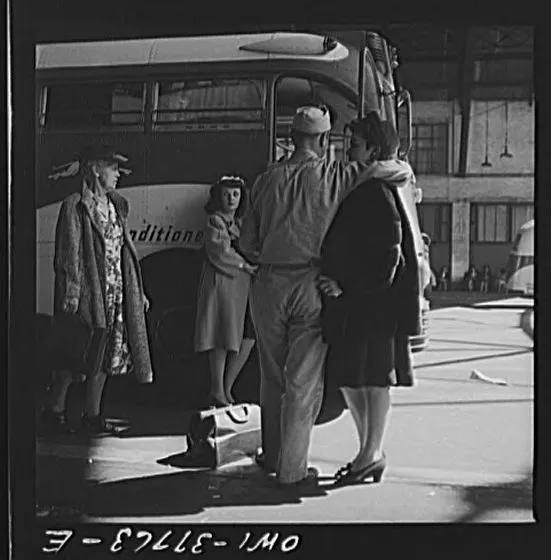
Photo: Bubley, Esther, Public domain, via Wikimedia Commons
Mornings at Dryden Street Nursery have a particular sort of busyness. There are coats being wrestled off, bags being swung onto pegs, and at least one small person announcing very loudly that they have brought a leaf. The bit between the front door and the playdough can feel like the whole day depends on it. It doesn’t. But it does help to have a plan.
A two-minute handover is not a magic trick. It is simply a short, repeatable routine that tells your child what is happening next. Some mornings it will glide. Others will wobble. Both are normal.
Why a quick goodbye often works better than a disappearing act
Sneaking out while a child is distracted can feel kinder in the moment. In practice, it can leave them unsettled when they turn round and you have gone. A clear goodbye — even a wobbly one — gives a child something to trust. They learn that you leave, and you come back.
The key is keeping it brief. A long, drawn-out farewell can sometimes stretch the distress rather than soothe it. A short routine, repeated with the same steps, gives under-fives a sense of what comes next. It also gives the key person a chance to step in warmly and take over the handover.
Build a simple drop-off script
A script does not need to be word-perfect. Think of it as four small beats: arrive, hand over, say goodbye, leave. Keep the order the same where you can.
Here is one example. You come in, find the peg, and say, ‘Right, boots off, bag on the peg, then we’ll find [key person’s name].’ Your child shows the key person something — a new hair clip, a toy, the leaf — and you say, ‘I’m going now. [Key person] will help you find the trains. I’ll be back after outside time.’ Then a hug, a wave at the window if that helps, and out you go.
The exact words matter less than the pattern. The pattern says: I am leaving, you are safe here, and I will return. If your child’s key person is available, ask them to be part of the routine. A familiar adult saying, ‘Morning! Shall we go and check the water tray?’ can do more than a dozen reassuring speeches from a parent who is also trying to find a parking space.
When the tears arrive
Tears at the door are common, especially after a weekend, a illness, a new baby, or a change in routine. They are not a sign that you have got it wrong. They are often a sign that your child feels safe enough with you to show they would rather you stayed.
Try not to rush back in and out. One calm goodbye is usually kinder than three return visits. If your child is clinging, hand them to the key person if they are happy for that to happen, say your line, and go. Then give it a few minutes. Many children settle quickly once the door is closed and the morning gets going. If you are worried, ring the nursery later rather than hovering by the window. Staff are used to these calls and can tell you how the morning has gone.
Clingy mornings and the days everyone is late
Some mornings need a shorter script. On a running-late day, drop the extras rather than the goodbye. Coat, bag, hand over, one sentence, out. It can be tempting to skip the farewell because you are late, but that is often the bit that matters most.
A small transition object can help — a pebble in a pocket, a family photo, a toy that stays in the bag. So can giving your child a job: hold the door, carry the water bottle, choose the book for story time. It gives them a role at the moment they feel least in control.
And if you are late, try not to apologise to your child as though the morning has been ruined. A breezy ‘We’re here now — let’s get you in’ is usually better than a long explanation. Staff would much rather have a calm, short handover than a stressed, lengthy one.
The grown-ups need a routine too
At Dryden Street, we know the morning handover is a shared job. Parents can ask their child’s key person for a simple hello plan — who will meet the child, where they will go, and what the first few minutes will look like. That consistency helps everyone.
It also helps to remember that drop-off is not a test of your child’s independence or your parenting. It is just a small daily transition. Some children stride in. Some need a hand. Some need the same goodbye five days running and then suddenly change the rules. A two-minute routine is there to hold the morning together, not to make it perfect.
So: keep it short, keep it warm, and keep it repeatable. Say goodbye. Mean it. Come back. That is the whole trick.