Empty Bowls, Full Bellies: Rethinking Mealtime Wins at Nursery
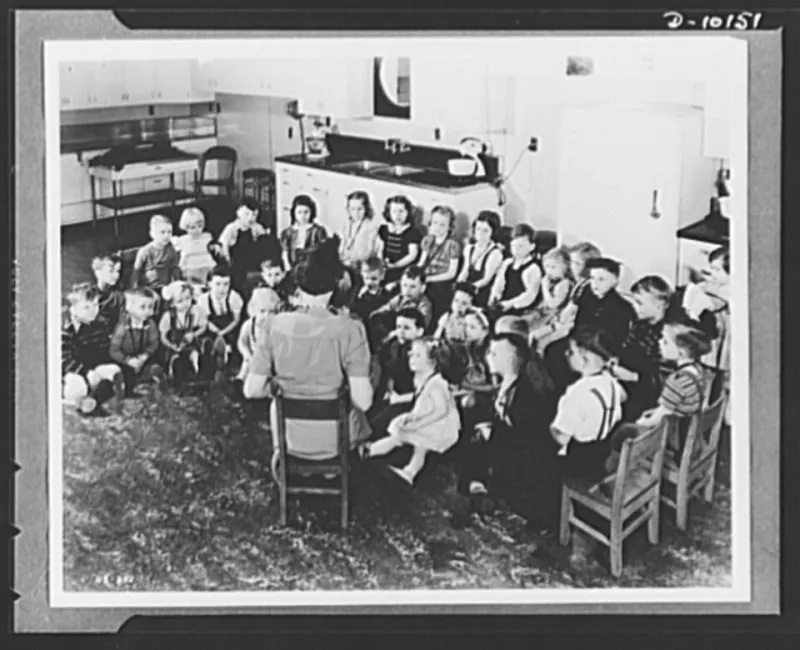
Photo: Ann Rosener, Public domain, via Wikimedia Commons
At Dryden Street Nursery, we have a rule of thumb for mealtimes: the empty bowl is a nice bonus, not the finish line. Some days a child clears every scrap. Other days they eat two peas and spend the rest of the meal arranging their cutlery into a small railway. Both days are normal. Both days are learning.
The Empty Bowl Is Only One Kind of Win
Mealtimes in an early years setting are about far more than what goes in. Children are practising fine motor control when they hold a jug, pour water and pass a plate. They are building language when they ask for 'more pasta please' or tell you the carrots are 'too wobbly'. They are learning social rules — waiting, taking turns, saying 'no thank you' without a meltdown. And they are learning to notice their own appetite, which is a skill that lasts a lot longer than a clean plate.
The Early Years Foundation Stage doesn't grade children on broccoli. It focuses on the whole child, and mealtimes sit right in the middle of that: communication, physical development, personal, social and emotional development. A child who tries a new vegetable, or simply tolerates it on the plate without chucking it, is making progress.
Passing, Pouring and the Quiet Power of 'No Thank You'
We serve meals family-style where we can. That means bowls in the middle, children passing them round, and a small jug of water that gets poured — sometimes very enthusiastically — by the children themselves. It is messier than doing it all for them. It is also much better for them.
The phrase we probably use most is 'no thank you'. A child can decline a food without a debate. They can also serve themselves a tiny portion, which is often the first step towards trying something. There is no reward for clearing the plate and no pudding held hostage. Pudding is part of the meal, not a bribe for eating the main course. That single change takes the drama out of dinner for a lot of families.
What We Actually Do at Nursery
Our routine is deliberately boring, because boring is calming. We wash hands, sit down together, and a grown-up sits at the table too. We chat about the food, the weather, or whatever somebody's dog did this morning. We keep the mood light. We don't comment on how much a child has eaten, and we don't label them a 'picky eater' in front of them. Labels stick.
New foods appear alongside familiar ones, without fanfare. A child might see a red pepper on the table ten times before they lick it. That is not failure. That is the process. Research and guidance around early years eating consistently point to repeated, neutral exposure as the thing that helps children accept new foods — not pressure, not coaxing, not the 'one more bite' negotiation.
The Myths That Need Putting to Bed
Myth one: a child must clear their plate. Children's appetites swing wildly. A child who eats a huge lunch may barely touch tea, and that is usually fine.
Myth two: if they don't eat it now, they never will. Most children need many encounters with a food before it feels safe. One rejected sprout is not a life sentence.
Myth three: snacks ruin dinner. A well-timed snack supports a child's energy. Grazing all afternoon might not, but a planned snack is not the enemy.
Myth four: a child will starve themselves if they don't like the meal. Most children will eat enough over a week, even if a single meal looks tragic. If you are genuinely worried about growth, swallowing or extreme restriction, speak to your health visitor or GP — but the odd beige day is not a red flag.
Taking It Home: Small Tweaks for the Family Kitchen
You don't need to recreate nursery at home. A few small changes can lower the temperature:
- Serve one familiar food next to the new one, so there is always something safe on the plate.
- Put the water jug on the table and let your child pour. Yes, there will be spills. Yes, it is worth it.
- Let them serve themselves from a shared dish, even if the portion is hilariously small.
- Keep the chat about anything other than how much they are eating. Talk about the day, the food's colour, the noise it makes.
- Try not to become a short-order cook. You provide the meal; they decide whether and how much to eat. That division of responsibility is a well-known approach for a reason.
- Keep puddings neutral. 'You can have pudding after' is fine. 'You can have pudding if you eat your carrots' is a negotiation you will lose eventually.
At Dryden Street Nursery, we would much rather a child leave the table feeling calm and curious than leave with a clean plate and a small sense of defeat. The bowl that comes home empty is lovely. The child who comes home chatty, a bit messy and willing to try again tomorrow is the real win.