The Coat-Peg Curriculum: Why School Readiness Isn't a Flashcard Drill

Photo: Jaggery , CC BY-SA 2.0, via Wikimedia Commons
Every autumn, our phone calls and doorstep chats turn to the same question: is my child ready for school? It is a fair question. Reception places, uniform lists and the move to a bigger building all make it feel like a deadline. But the answer is rarely found in a pack of flashcards.
At Dryden Street Nursery, we have watched plenty of children head off to primary school. The ones who settle well are not always the ones who can recite the alphabet. They are the children who can hang up a coat, ask an adult for help, join a game, and bounce back after a small disappointment. That is the coat-peg curriculum, and it matters far more than a drilled list.
What school readiness actually looks like
In early years, readiness is a bundle of everyday skills. It is self-care: managing a snack box, using the loo, putting on shoes with a bit of a struggle and asking for a hand when needed. It is social: taking turns, sharing space, hearing no, and finding a way back into play. It is attention: listening to a short story, following two instructions, and staying with a task long enough to finish it. It is curiosity: asking why, poking a puddle, and wanting to know what happens next. And it is confidence: the quiet belief that a grown-up will help, that a mistake is fixable, and that trying again is allowed.
None of these things arrive in a workbook. They grow through repetition, warm relationships and ordinary days.
Why the drilling can wait
We are not against letters and numbers. They matter, and children are naturally interested in them. But formal drilling can come too early and too heavy. A child who is sat at a table to practise handwriting before their hands are ready may learn that learning is something to endure. A child who is quizzed on sight words at the tea table may decide that being wrong is a bad place to be.
Reception teachers are skilled at teaching phonics, number and early writing. What they often hope for is children who can take part: children who can listen, ask for help, manage their belongings and recover from a wobble. Those are the foundations that let the formal learning land.
Small practice, big foundations
You do not need a home-schooling timetable. You need a few everyday habits that give your child a bit of stretch and a lot of encouragement.
Let them carry their own bag and pack their snack. It will be slower. There will be crumbs. Let it happen anyway.
Give them time to dress. Ten extra minutes in the morning is worth more than a perfect ponytail. Practise coats, shoes and zips at the weekend when nobody is rushing.
Play turn-taking games. Snap, a simple board game, kicking a ball back and forth. These teach waiting, winning, losing and coming back for another go.
Chat about the day without turning it into a quiz. Instead of asking what did you learn, try: what made you laugh today? Who did you sit next to? What was the best bit of your lunch?
Read stories together and let your child retell a page. Ask what might happen next. Pause and let them fill the gap. This is language, memory and attention, all wrapped up in a lap.
Give simple jobs. Matching socks, setting the table, watering a plant, putting books back on the shelf. Jobs say: you are part of this family, and your help counts.
Practise asking for help. Role-play a little: Can I have help with my coat? Where is the loo? I need a drink. It feels daft, but it gives children words for the moments that matter.
Try not to rescue immediately. Wait a beat. Then prompt: what could you try? Who could you ask? That small pause builds problem-solving without leaving them stuck.
Signs of progress to look for
Progress in early years is rarely a straight line. You might notice your child can hang their coat up more often than not. They might say goodbye with a wobble but recover in a minute. They might ask an adult for help instead of melting down. They might wait for a turn, or start a game with another child, or tell you one small thing about their day.
These are not tick boxes. Children move forwards and backwards. A child who can do it on Tuesday may need help on Friday. That is normal. The goal is not a finished checklist. The goal is a child who feels capable enough to try.
How we support it at nursery
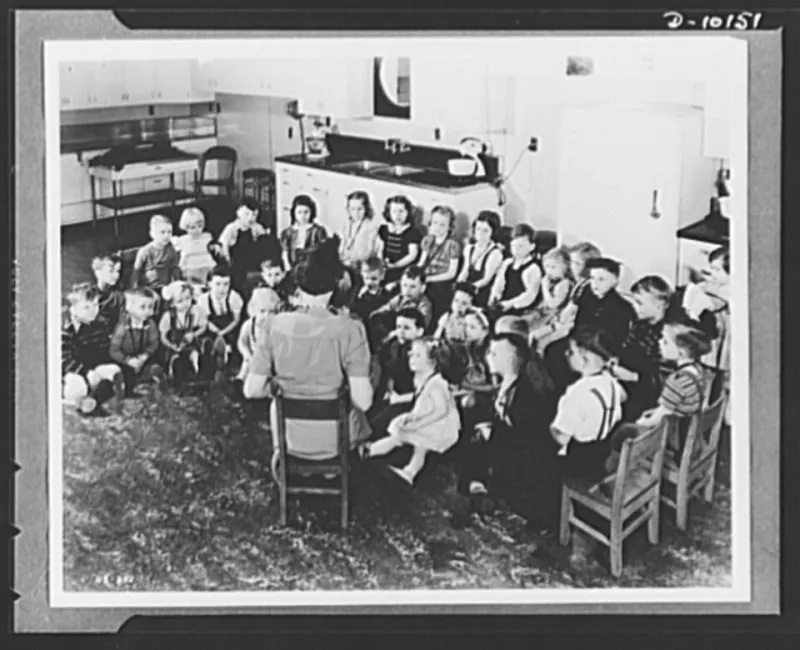
Our days are built around the same idea. We have routines children can predict, grown-ups who know them well, and plenty of chances to practise. Snack time is not just about eating. It is about pouring, passing, saying please and clearing up. The garden is not just fresh air. It is coats, Wellies, turn-taking and big feelings when the slide is busy. Storytime is not just sitting still. It is words, wonder and a shared pause.
We do not test children for school. We notice them. We notice the child who has started asking for help, the one who can now put on their own shoes, and the one who invites another child into play. Those are the wins we celebrate.
A gentle last word
You do not need to make home feel like school. Keep it warm. Keep it playful. The best preparation is a childhood full of chat, small responsibilities and time to try again. Flashcards can wait. The coat peg is calling.