Wellies On, Whinging Off: A Winter Play Guide for Under-Fives
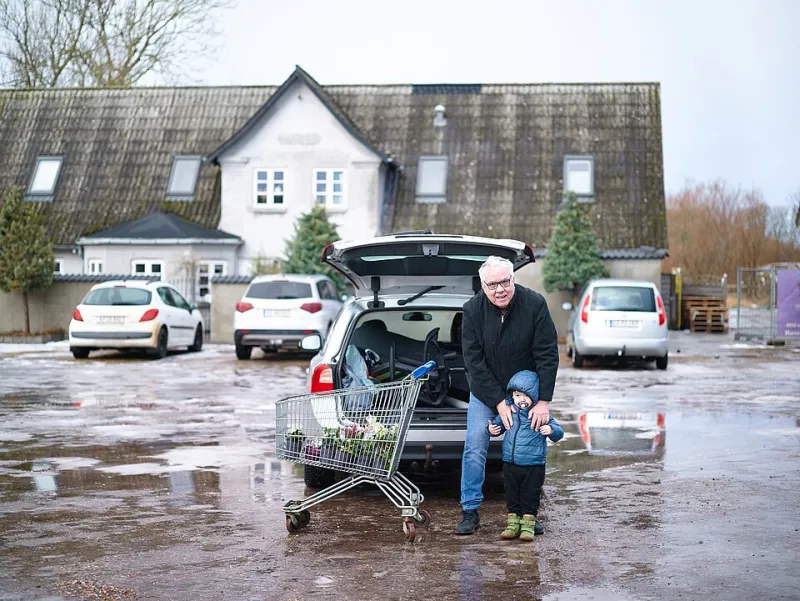
Photo: Kristoffer Trolle , CC BY 2.0, via Wikimedia Commons
Winter Is Not the Enemy of Outside
There is a moment, usually around the first properly cold Tuesday of November, when every parent wonders whether it is kinder to keep a toddler indoors. The garden looks grey. The buggy has that damp smell. And someone has already lost one glove before breakfast.
At Dryden Street Nursery, we take a different view. Winter is not a reason to stop going out. It is a reason to get better at going out. Children need fresh air, big movement and the sort of messy, sensory play that only happens when the weather has a bit of bite to it. The trick is not to avoid the cold. It is to dress for it properly, keep a few sensible spares by the door, and lower your expectations about staying clean.
Here is our realistic guide to winter play for babies and toddlers, from layering without overbundling to keeping nursery drop-off from turning into a wrestling match.
Start With a Base Layer That Breathes
The biggest mistake we see is overbundling. A child who is too hot before they have even reached the gate will be clammy, cross and much more likely to feel the cold later. Start with a simple base layer that wicks moisture away from the skin. A long-sleeved vest or a thin cotton or merino top works well. Avoid thick fleece directly against the skin, especially for babies who are not yet moving much on their own.
Then add one insulating layer, such as a jumper or a light fleece. The outer layer should be the weatherproof one. For babies in a pram, remember that a thick coat can make car seat straps sit incorrectly, so use blankets and footmuffs over the harness instead. For toddlers who are running about, a coat that allows them to move freely is worth more than a very padded one that turns them into a little starfish.
Puddle Suits: The Unsung Hero of British Winter
A good puddle suit is the single most useful piece of winter kit for an under-five in the UK. It keeps the wet out, it wipes clean, and it means a child can sit in a muddy patch without ruining three layers underneath. Look for one with elasticated cuffs and a hood that stays up. Second-hand is fine. In fact, second-hand is brilliant, because puddle suits are often outgrown long before they are worn out.
Under the puddle suit, think about movement rather than bulk. Leggings or joggers, a long-sleeved top and a light jumper are usually enough. Add wellies with a decent grip. If your child is still in the wobbly walking stage, check that the boots are not so heavy that they trip them up. A simple rule we use in the garden: if a child can bend down and touch their toes without grunting, they are probably dressed about right.
The Spare-Sock Doctrine
Every nursery bag should contain at least one complete spare set: socks, trousers, a top and pants. Not because we expect disaster, but because disaster is part of the job description. Wet socks are the quickest route to a miserable toddler. Keep a pair of socks in the buggy, another in the car and a third in the nursery bag. It sounds excessive until the first December morning when one foot goes straight into a puddle and the day is saved by a dry sock.
A small waterproof bag for wet clothes is also worth its weight in gold. It keeps the damp from spreading through the bag and makes the end-of-day handover much less soggy.
Drop-Off Without the Drama
Winter drop-offs can be harder for everyone. It is darker, colder and the pull to stay in the warm is strong. A predictable routine helps. At home, get the outer layers on last, just before you leave. At the nursery gate, keep the goodbye short, warm and consistent. A hug, a wave through the window and a cheerful see-you-later is usually kinder than a long, lingering exit.
If your child struggles with the transition, let them carry something small and useful, such as a glove or a snack pot. Giving a little one a job can turn a wobbly moment into a purposeful one. And if the weather is truly grim, remember that a calm, quick handover is better for everyone than a perfect one.
Why We Still Go Out at Dryden Street
Our garden is not a fair-weather garden. In November and December, we still aim to get outside every day, even if it is only for fifteen minutes. The children notice the frost on the leaves. They hear the different sounds of the street when the windows are shut. They learn that the world does not stop when the weather changes.
We keep the outdoor time short and purposeful in winter. We might go on a leaf hunt, fill a tuff tray with ice and dinosaurs, or simply take a lap of the garden to check on the plants. The aim is not to stay out for hours. The aim is to keep the habit of going out alive.
Small Adventures on the Doorstep
You do not need a big day out to keep little steps active in the colder months. A walk to the corner shop to count the buses, a five-minute splash in a puddle, or a wander to the library for rhyme time all count. These small trips build language, confidence and a sense of belonging in the local area. They also tire children out in the best possible way.
Keep a towel by the door and a spare pair of socks in your bag. Say yes to the puddle that is shallow enough to be safe. Let your child choose which wellies to wear, even if they are mismatched. The goal is not a perfect photograph of winter parenting. The goal is a child who knows that outside is still a place for them, even when it is cold.
A Quick Winter Checklist
- Base layer that wicks moisture
- One insulating layer, not three
- Waterproof puddle suit or all-in-one
- Wellies with grip
- Spare socks, trousers, top and pants
- Waterproof bag for wet clothes
- Short, predictable drop-off routine
- A towel by the door
Winter play does not need to be complicated. It needs a bit of planning, a sense of humour and a willingness to let the odd sock get wet. At Dryden Street Nursery, we are firmly in favour of wellies by the door and curiosity in the garden. After all, little steps still need to go somewhere, even in November.